ニュース
A family wellness journal
For a while, I blamed everything: work, school runs, coffee, getting older. I was sleeping enough—at least on paper—yet I woke up already behind.
What changed was not one dramatic number. It was finally seeing a pattern instead of making another excuse for it.

The first honest question
I did not want another device telling me to optimize every minute. I wanted context: a way to understand why some mornings felt clear and others felt like I had never really rested at all.
Less guessing, more context
It sat quietly on my finger while I lived my normal life. In the app, I could look at sleep, heart rate, blood oxygen, activity, recovery, and wellness trends together—not as a score to chase, but as a story that was beginning to make sense.
For the first time, I could connect a late dinner, a restless night, and the kind of afternoon when even a simple question from my daughter felt like too much.
I had spent enough hours in bed, but my morning view suggested I was not always waking up fully restored. It was not alarming—it was clarifying.
On nights when dinner ran late and I kept scrolling after everyone was asleep, the next day felt different. That small connection was enough to change how I protected my evenings.

A little more clarity
The app became a quiet morning ritual, not a report card. Some days I looked; some days I did not. But the habit of asking “How am I actually doing?” began to follow me beyond the screen.
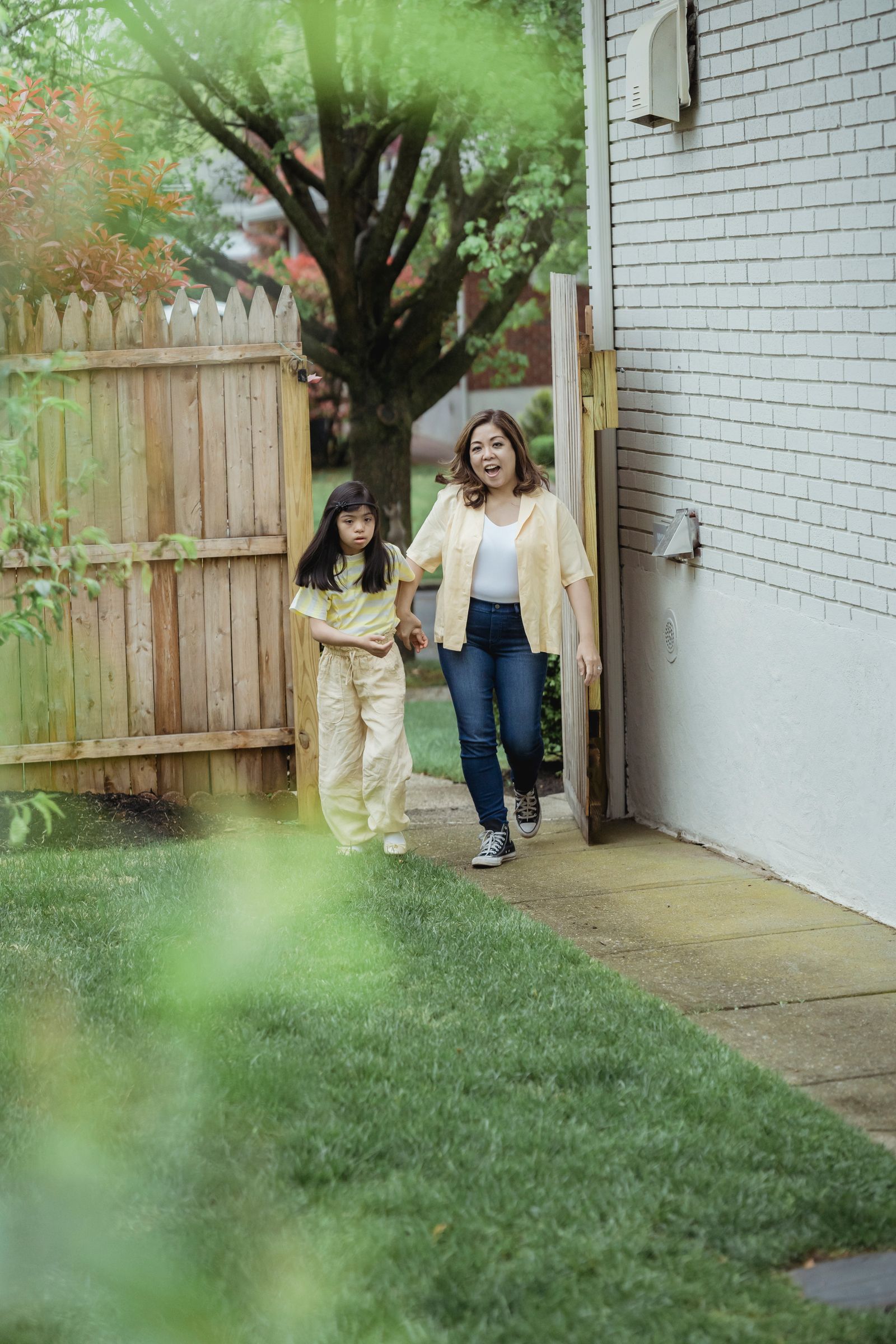
We stopped comparing scores and started sharing habits: when we walked, how we slept, whether we had made room for dinner before it got too late. Her clinical care remained with her clinician; our conversations became more human.

The pattern became visible
I used to ask my mother if she slept well and get the automatic answer. Now we talk about the things around sleep—the late meal, the stressful call, the walk we skipped. It is still just a conversation, but it is a better one.
See the PulseRive routine“I did not need more things to worry about. I needed a gentler way to notice what was already asking for my attention.”
— Claire Bennett
It was not a challenge or a target. It was twenty minutes after dinner, often with my daughter, sometimes with my mother—one small ritual that gave our day a softer ending.
The part that lasted
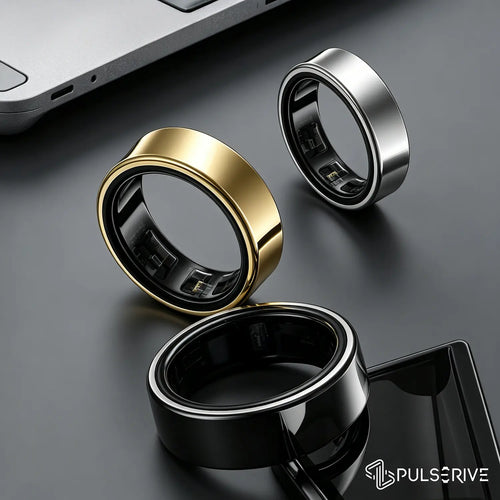
The ring did not make our family healthier overnight. It made the small choices easier to see: more rest, an earlier dinner, a walk, a reason to check in without making anyone feel watched.
By the end of the month, I did not need to check constantly. I knew the kind of day after which I needed water, a break, or an earlier night. The data had quietly taught me to trust my own observations again.

One small wearable
There was no drawer of bulky gadgets or another subscription to remember. There was one ring, a free companion app, and a clearer sense of the small choices that helped our days run better.
For medical questions, we still rely on professional care and appropriate validated equipment. For everyday awareness, a small wearable was enough to help us begin.
Explore the smart ringWhat changed after I stopped guessing
I became less interested in perfect routines and more interested in repeatable ones. I charged less often, carried less equipment, and stopped feeling like wellbeing had to be another job on my list.
The practical details mattered: a companion app without a subscription, a magnetic charge designed for about a week of use after roughly an hour, and a charging case that made keeping up feel easy. The point was never to do more. It was to make care take less effort.
A small introduction to smart rings
A smart ring is designed to collect everyday wellness information without asking for much attention. PulseRive brings sleep, heart rate, blood oxygen, activity, recovery, and wellness trend views together so you can notice patterns over time.
It is not a replacement for professional care. For me, it became something quieter: a reminder that my body is always giving feedback—and I do not have to keep guessing what it means.
No. Treat wellness trends as general context only. For health concerns or blood-pressure decisions, use appropriate validated equipment and speak with a qualified healthcare professional.
Not at all. It can be useful for anyone who wants a clearer view of the relationship between daily routines, rest, movement, and how they feel.
For me, it was the lack of friction: a lightweight ring, a simple app, and information I could look at when it was useful rather than another screen demanding attention.
Wellness disclaimer: PulseRive provides general wellness information only and is not intended to diagnose, treat, cure, or prevent disease. It is not a medical device. Do not use it to make medical decisions or as a substitute for advice from a qualified healthcare professional.