News
A family wellness journal
For years, I thought being the person who held our household together meant being the person who could keep going. I could pack lunches, answer late emails, check in on my mother, and still tell my husband I was fine. But by mid-afternoon, I was often running on coffee and a kind of tiredness I could not explain.
When my mother began paying more attention to her own blood-pressure routine, I realized how easily women turn concern into a silent background task. We notice when someone else looks pale, sleeps poorly, or seems under pressure. We are less practiced at noticing our own patterns.
I did not want another screen telling me to do more. I wanted a gentler way to understand what my days were asking of me. That is why I started wearing a smart ring.

A gentler beginning
My mornings used to start with urgency: a quick check of everyone else, then coffee, then the next task. Wearing a smart ring made room for a different question—how was I doing before I started looking after everyone else?
It was a small change in attention, but it made the rest of the story possible.
The question beneath the question
A smart ring is a small, screen-free wearable designed to collect everyday wellness information from the finger. Depending on the device and app, it can help you view patterns in sleep, heart rate, blood oxygen, activity, recovery, and blood-pressure-related trends.
That last phrase matters: a trend is not a diagnosis. Still, seeing several signals together gave me language for something I had only felt before—some days asked more from my body than others.
The first morning, I expected a simple sleep score. Instead, I found a fuller picture: time asleep, overnight heart-rate patterns, and a recovery view. I had spent enough time in bed, but I could see why I did not feel fully restored. That did not make me anxious; it made me curious.
After a week, I noticed that our rushed evenings often followed me into the night. On the days when we ate later, I stayed on my phone longer, or handled one more family task before bed, my next-morning view felt different. The ring was not judging me. It was simply helping me connect cause and effect.

Patterns, not pressure
I did not want the app to become another obligation. Over time, I learned to glance at it with the same calm curiosity I bring to a weather forecast: useful context, never a verdict.
The most meaningful view was the one that helped me choose an earlier bedtime, a quieter evening, or a little more patience with myself.
My mother and I started comparing habits, not scores. We talked about earlier dinners, short walks, and whether either of us was making time to sit down. When we discussed blood-pressure-related readings, we treated them as a prompt to stay consistent with the plan she and her clinician had already made—not as something to self-diagnose from an app.
“The ring did not make me responsible for my family’s health. It reminded me that caring for them works better when I include myself in the picture.”
— Claire Bennett
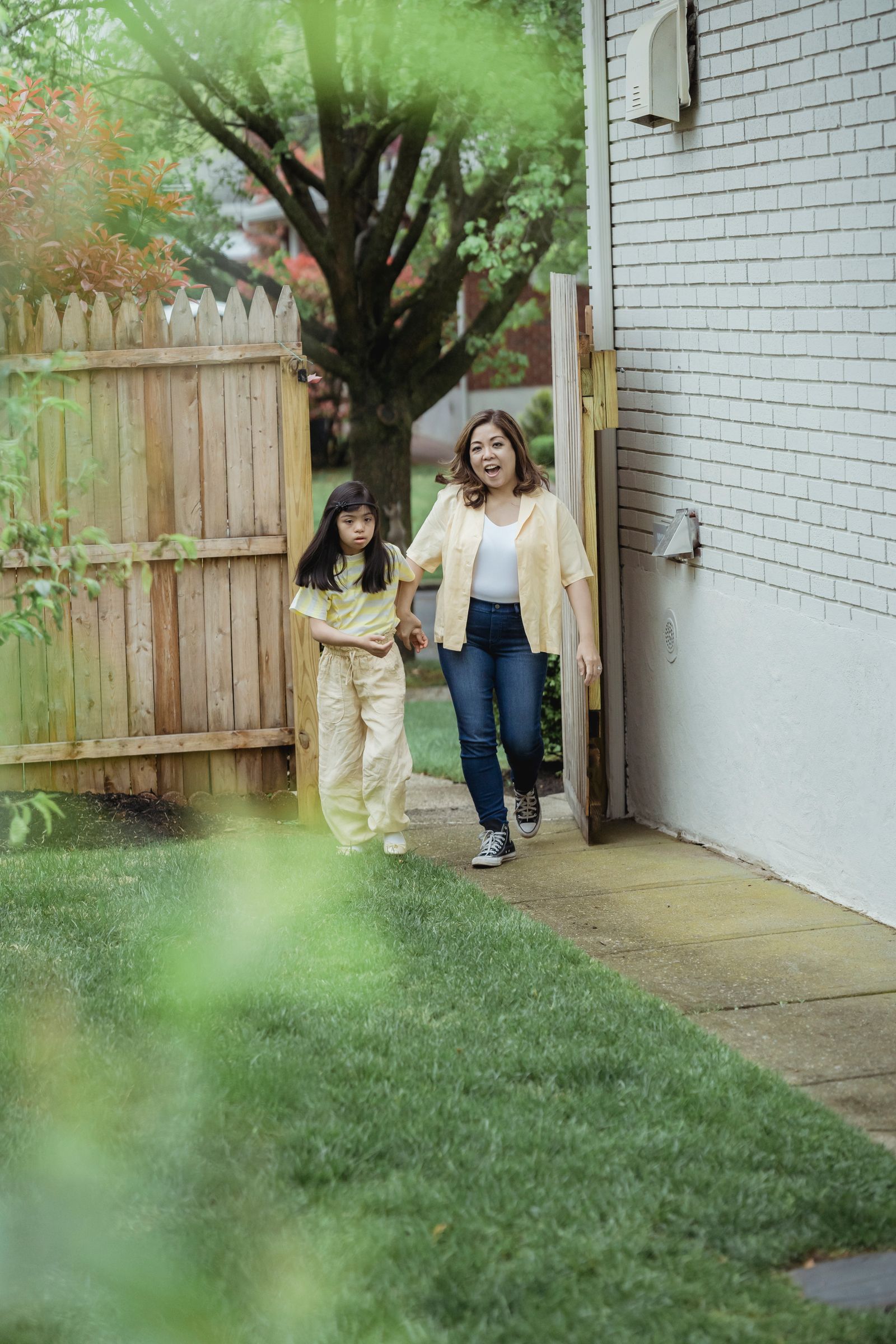
We did not overhaul our lives. We made a twenty-minute walk after dinner easier to say yes to. Some nights it was just me and my daughter. Some nights my mom joined us. It was not a fitness challenge. It was a small family ritual that gave the day a softer landing.
A family habit
Our evening walk was never about chasing a target. It gave us twenty minutes without the kitchen, phones, or to-do lists competing for attention.
That is the part I want my daughter to remember: caring about your health can look like listening, moving, resting, and asking for help when you need it.
By the end of the month, I did not need to open the app every hour. I had learned my own early signals: the kind of morning after which I needed more water, a calmer schedule, or a real break before dinner. The information had done its job when it helped me make fewer all-or-nothing decisions.
A small introduction to smart rings
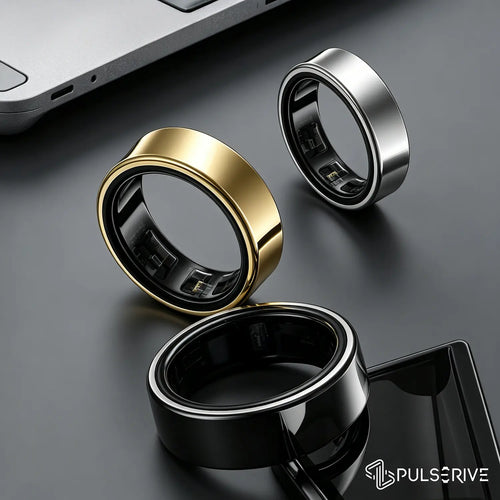
Smart rings are made for everyday wear, which can make them feel more natural than a traditional watch for sleep and all-day wellness tracking. PulseRive brings sleep, heart rate, blood oxygen, activity, recovery, and blood-pressure-related trend views into one place, so you can look for patterns over time.
It is not a replacement for a blood-pressure cuff, medical advice, or conversations with a qualified clinician. For our family, its role was simpler: it helped turn “How are you feeling?” into a more thoughtful conversation about rest, routine, and when to seek professional guidance.
Yes. Many people use a smart ring simply to notice the relationship between daily habits and how they feel—especially sleep, activity, rest, and routine. The most useful goal is usually awareness, not perfection.
Lead with curiosity, not comparison. Share a walk, ask how everyone is sleeping, and encourage loved ones to follow their own care plan. Personal health data is private; it should always be shared by choice.
Wellness disclaimer: PulseRive provides general wellness information only and is not intended to diagnose, treat, cure, or prevent any disease. It is not a medical device. Do not use it to make medical decisions or as a substitute for advice from a qualified healthcare professional. If you have health concerns—including concerns about blood pressure—consult a clinician and use appropriate validated medical equipment.